
Auto-playing · Swipe or drag product images
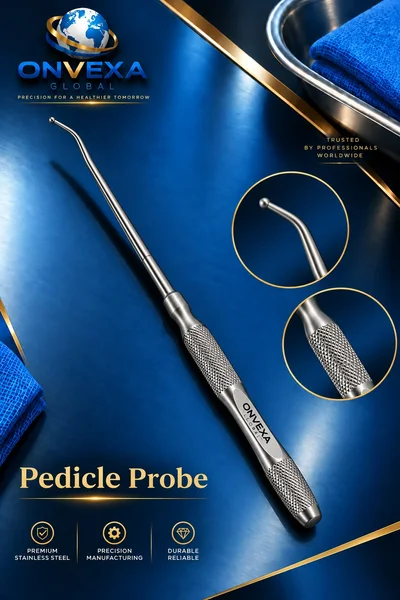
PEDICLE PROBE
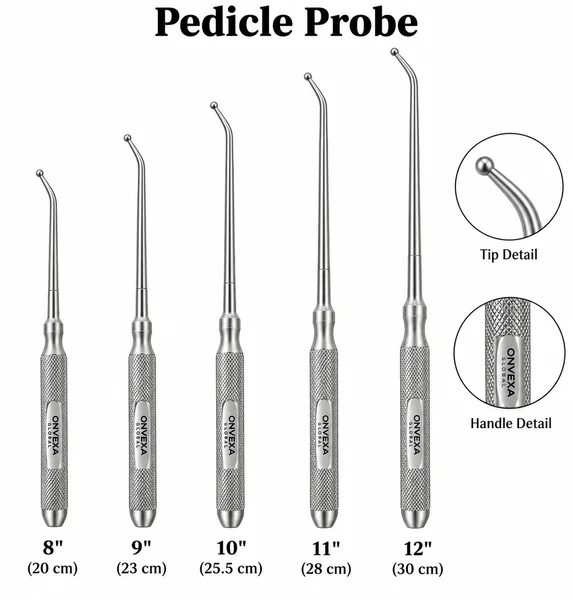
Pedicle probe precision spine instrument for accurate pedical localization and preparation
Select size
Choose a size to update the unit price.
Choose order quantity
Minimum order quantity (MOQ): 5 units
Discount is applied automatically to the complete product total. Shipping and final availability are confirmed with our export team.
The Pedicle Probe is a specialized spinal instrument engineered to navigate and prepare a safe, precise pathway through the vertebral pedicle for screw insertion. It is designed to provide critical tactile feedback, allowing the surgeon to feel the difference between soft cancellous bone and the rigid cortical wall to prevent dangerous breaches. Key Features Tactile Sensitivity: The probe's shaft and tip are precision-calibrated to transmit subtle vibrations, ensuring the instrument stays within the safe cancellous bone tract. Optimized Tip Profiles: Available in straight or curved (gearshift) configurations to accommodate various spinal segments (cervical, thoracic, or lumbar) and anatomical trajectories. Ergonomic Handle: Features a T-handle, teardrop, or spherical grip designed to fit securely in the palm, providing controlled rotational leverage and minimizing hand fatigue. Depth Calibrations: Often includes laser-etched depth markings along the shaft to help gauge the exact length of the pedicle screw required. Blunt or Semi-Blunt Tip: Specifically shaped to find the path of least resistance through the bone without unintentionally piercing the outer cortical shell. Surgical Applications Pedicle screw preparation and insertion Spinal fusion (e.g., PLIF, TLIF, ALIF) Deformity corrections (e.g., scoliosis, kyphosis) Spinal trauma and fracture stabilization
Indications & Use
- • Pedicle Tract Preparation: To safely create and expand a pilot channel through the pedicle and into the vertebral body prior to threading and inserting pedicle screws.
- • Trajectory Planning: To establish the exact anatomical angle (medial/lateral and cranio-caudal) required for optimal screw placement in the cervical, thoracic, or lumbar spine.
- • Cortical Integrity Verification: Utilized to physically "feel" the pathway; the blunt tip follows the path of least resistance through soft cancellous bone, helping the surgeon confirm that the rigid cortical walls of the pedicle have not been breached.
- • Spinal Instrumentation: An essential step in posterior spinal fusions, allowing for the subsequent placement of rods, plates, and bone grafts to stabilize the spine.
- • Associated Clinical Conditions
- • Spinal instability requiring rigid fixation
- • Spondylolisthesis (vertebral displacement)
- • Severe degenerative disc disease (DDD)
- • Spinal deformities (e.g., scoliosis, kyphosis, lordosis)
- • Spinal trauma, including burst fractures or dislocations
- • Spinal tumors or infections necessitating vertebral resection and reconstruction
Care & Sterilisation
Rinse the instrument immediately after use to prevent blood and bone marrow from drying, particularly around the tip and the junction where the shaft meets the handle. Use only pH-neutral enzymatic detergents. Avoid highly acidic or alkaline solutions that can corrode the stainless steel or degrade synthetic handle materials. Clean manually using soft-bristled nylon brushes. Never use abrasive pads or steel wool, which can scratch the shaft and erase the laser-etched depth markings. Pay special attention to any crevices on ergonomic handles (e.g., silicone grips or T-handles) to ensure no microscopic biological debris remains trapped. Sterilization The instrument is fully autoclavable. Standard steam sterilization is recommended at 134°C (273°F) for 3 to 5 minutes using a pre-vacuum cycle. If the probe features a synthetic or silicone handle, ensure it is allowed to cool naturally and is thoroughly dried post-sterilization to prevent moisture damage or material breakdown. Inspection & Maintenance Carefully inspect the working tip under magnification before and after every use. Any bending, burrs, or unintended blunting compromises trajectory accuracy and the instrument must be retired. Verify the visibility of the depth calibrations along the shaft. If the laser-etched lines have faded or become illegible, the probe can no longer safely guide screw length and should be replaced. Test the handle for structural integrity. The shaft must be rigidly anchored to the grip; any rotational play, looseness, or cracking severely degrades the critical tactile feedback required by the surgeon.
Related Instruments

ALUMINIUM TRAYS
Lightweight, highly durable aluminium instrument trays designed for efficient sterilization and secure organization in demanding clinical environments.
MOQ from 5 units
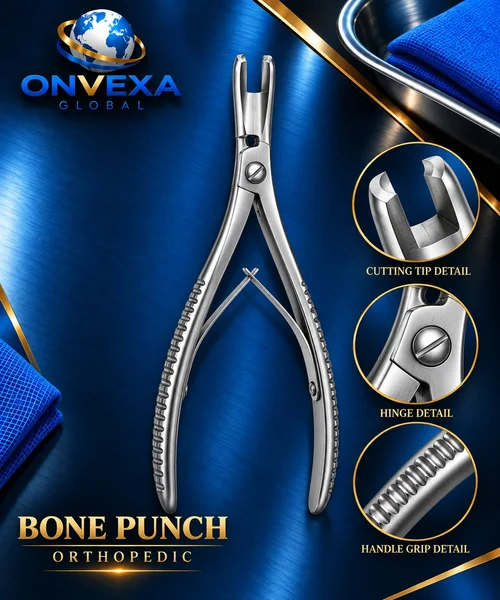
BONE PUNCH
"A precision-crafted surgical punch designed for the clean, controlled removal of bone and tough tissue in orthopedic procedures."
MOQ from 5 units
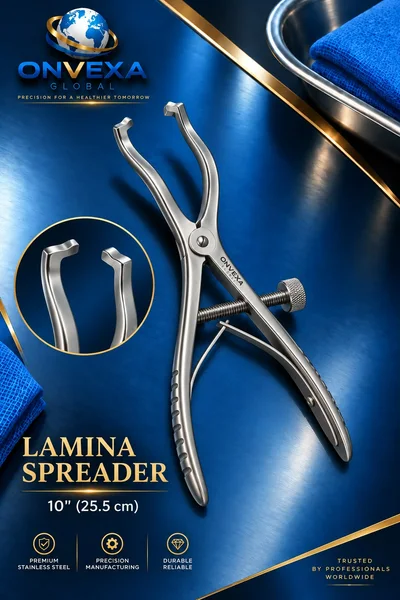
LAMINA SPREADER
Specialized self-retaining retractor designed for precise separation of the lamina during spinal and orthopedic procedures
MOQ from 5 units
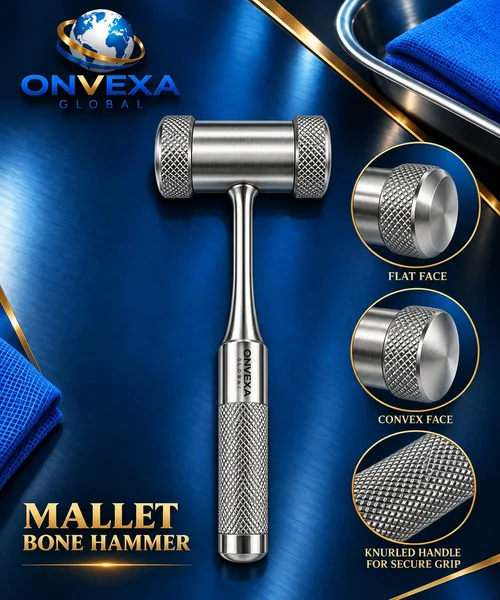
MALLET BONE HAMMER
A balanced, high-grade surgical mallet designed for precise and controlled impact during orthopedic bone procedures."
MOQ from 5 units